Venezuela Families Search for Missing After Deadly Quakes
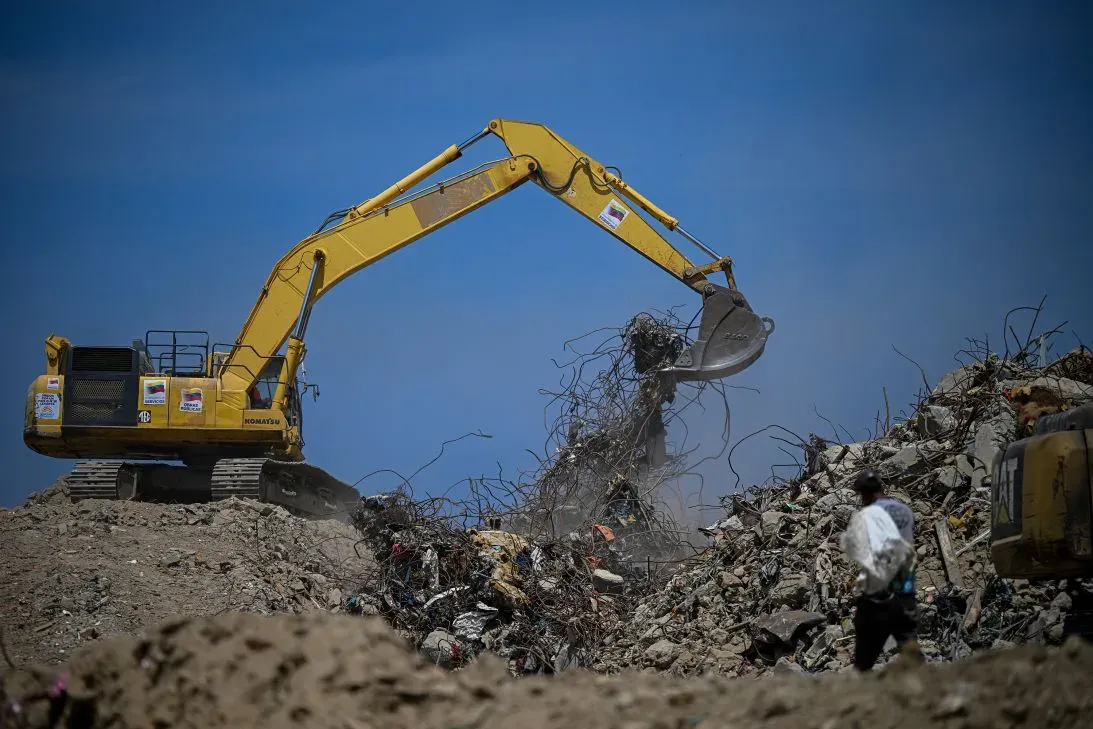
More than 100 days after powerful earthquakes devastated Venezuela, families are still searching through rubble, morgues and shelters for loved ones who remain missing, amid growing concerns over the government’s handling of the disaster.
Among them is Eilyn Solano, who has been living in a tent near the ruins of OPP 26, a government-backed social housing complex, hoping to find her 11-year-old son, Jhoniel José Morales.
The boy disappeared when buildings collapsed following the twin earthquakes that struck the country on June 24. Despite the unbearable midday heat and the constant noise of excavators, Eilyn has refused to leave the site, closely tracking the recovery of bodies in the hope of finding her son.
On August 24, authorities announced a final death toll of 6,509. However, the government has not released an official count of missing people or responded to inquiries about the figures, leaving families to maintain their own records.
According to Eilyn, search operations have continued largely through community solidarity and support from affected families, who have supplied rescuers with water, ice and electrolyte drinks. The Solano family has helped recover the remains of more than 17 people, but Jhoniel has yet to be found.
A search for answers
Jhoniel’s family initially believed he had gone to play at a nearby sports field when the disaster struck.
Security footage showed him descending the apartment stairs at 3:59 p.m. on June 24, several hours before the earthquakes. His sister María Yailén, 15, survived the disaster, while his 12-year-old sister, Mariangel, was killed. Her body was recovered on the third floor near their grandmother’s apartment. Their grandmother was later rescued alive.
On September 26, search teams excavated the area around the sports field but found no trace of the boy.
“Not on the field side, not at the entrance, and certainly not in the hallways,” said Eilyn’s sister, Chiquinquirá.
During the search, the family discovered a security camera control room containing a second recording. They believe the footage shows Jhoniel leaving the building just minutes before the earthquake, prompting them to expand their search beyond the collapsed complex.
Relatives have since visited streets, collection centres and cemeteries, including La Esperanza in Catia la Mar, where unidentified people are buried.
“Among all the possibilities there is a glimmer of hope, and that is why we continue the search until the end, until we obtain some kind of answer about the whereabouts of the child,” Chiquinquirá said.
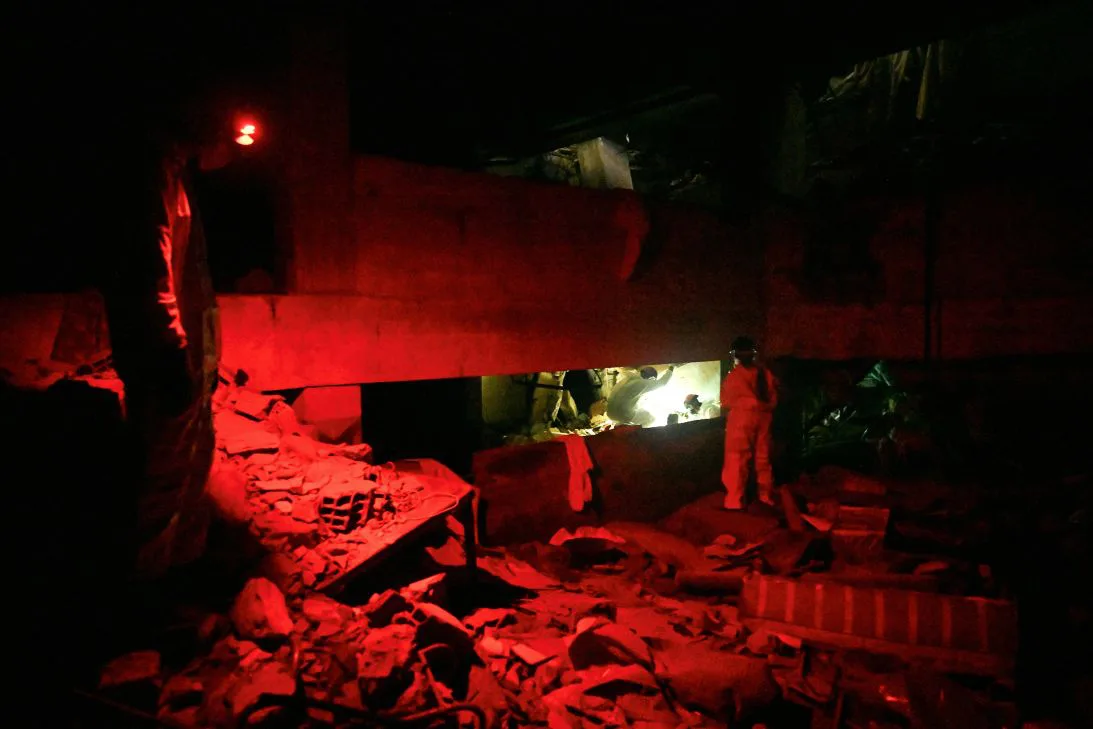
The Solano family also survived the devastating Vargas mudslide in 1999. Now, with help from relatives, friends and volunteers, they have established a search network covering medical centres, morgues and shelters between La Guaira and Caracas.
They are urging authorities and members of the public to circulate Jhoniel’s photograph and share any information that could help locate him.
‘Until there is a body, there is no death’
Across La Guaira, where numerous buildings collapsed, devastated neighbourhoods remain marked by rubble and silence. Military personnel are now more visible in some areas as clearance operations continue, contrasting with families’ accounts of an inadequate official presence during the first hours of the disaster.
The government of acting President Delcy Rodríguez has defended the work of rescue teams.
At the Residencias Caribe housing complex, relatives, firefighters and volunteers have established a bulletin board to track people believed to remain trapped beneath the concrete.
Nayibe Geromes is searching for her mother, Leida Mata, whom she last spoke to approximately six hours before the earthquakes. With both basements flooded by seawater and the building’s internal structure destroyed, Nayibe fears that any remains recovered may be incomplete.
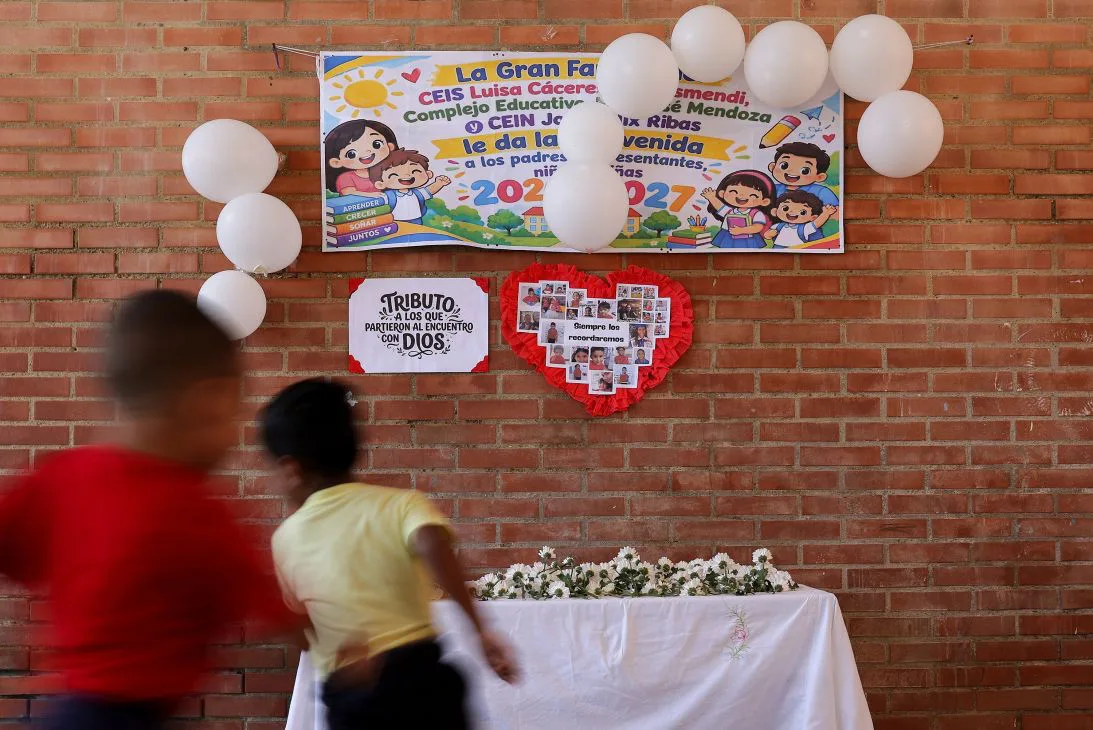
“At this point, I don’t expect to find a complete body, but rather skeletal remains,” she said.
Nevertheless, she remains determined to establish what happened to her mother.
“Until there is a body, there is no death,” she added.
Nearby, Angie Valentina Sojo Andarcia is searching for her husband. She was in Caracas attending a medical appointment with her daughter when the earthquake struck, while speaking to her 50-year-old husband by telephone. She heard glass breaking before the connection suddenly ended.
Angie recently secured assistance from a volunteer foundation to clear debris around the area where her kitchen once stood. She also arranged for her husband’s brother to travel from Táchira state for DNA testing at a morgue, hoping that any recovered remains could be identified. So far, the efforts have yielded no answers.
Angie said she was unaware of any official procedures for reporting missing relatives.
Families raise concerns over identification procedures
Ronnie Boquier, a legal coordinator at the human rights organisation Cofavic, described the situation in La Guaira as being characterised by a lack of transparency, violations of victims’ rights and serious shortcomings in procedures for identifying and handling human remains.
In response to inquiries, Venezuela’s Ombudsman’s Office said it continued to receive reports of missing people, provide legal guidance and support affected families.
The office said it had received and processed more than 100 complaints or requests for assistance concerning alleged human rights violations. It also reported maintaining contact with victims, relatives and search-and-rescue authorities.
According to the office, reports involving missing children and young people had been investigated and concluded following the recovery of their bodies beneath the rubble.
CNN said it had contacted the Attorney General’s Office, the Ministry of Popular Power for Interior Relations, Justice and Peace, the National Service of Medicine and Forensic Sciences, and the Scientific Criminal and Forensic Investigations Corps for further information about their procedures and response to complaints.
Cofavic, however, said its review of complaints from families had uncovered serious problems in at least five cases involving the chain of custody at the La Guaira silos, where a makeshift morgue had been established.
According to the organisation, families were required to examine between 400 and 600 digital photographs of bodies in advanced stages of decomposition without adequate technical or psychological support.
In the cases reviewed, the remains in the corresponding body bags reportedly did not match those of the families’ missing relatives. The findings have raised fears that some bodies may have been incorrectly identified or handed over to the wrong families.
Boquier called on the authorities to mobilise the resources needed to address the crisis.
“The state has the means, or should have the means, and if it doesn’t, it has to do everything possible to find the resources, international aid, everything that is technically necessary to be able to provide a response,” he said.
Although the government announced its final death toll on August 24, Boquier said independent and international estimates placed the number of people killed between 10,000 and 20,000.
For families such as the Solanos, the absence of reliable information has prolonged the anguish of an already devastating tragedy. Months after the earthquakes, many continue to search for loved ones while demanding transparent records, reliable identification procedures and clear answers from the authorities.